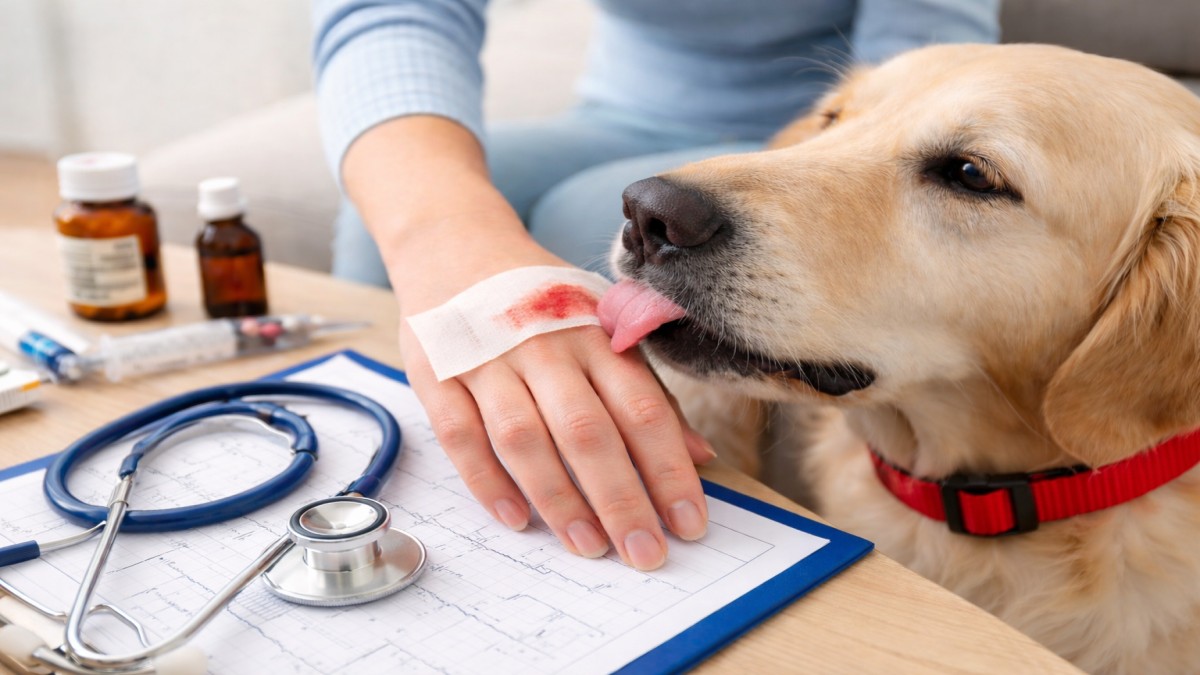
The heartbreaking case of a woman losing all four limbs after a simple dog lick has sparked a global conversation about the hidden health risks associated with pets. While dogs are often called “fur babies” and are loved members of the family, experts warn that certain bacteria in their saliva can cause life-threatening infections in humans.
The story of 56-year-old Indian-origin woman Manjit Sangha, who developed severe sepsis after her dog licked a small cut, highlights why pet vaccination, hygiene, and regular health screening are not just important for animals but for the entire household.
Dog Lick Sepsis Case That Shocked the World
In July 2025, Manjit Sangha, a pharmacy worker living in Birmingham, England, returned home feeling slightly unwell. Within hours, her condition deteriorated rapidly. The next day, her husband Kam Sangha found her unconscious on the couch, with blue lips and extremely cold hands and feet.
She was rushed to New Cross Hospital, where doctors placed her in a medically induced coma. During her treatment, she reportedly suffered six cardiac arrests. Doctors later diagnosed her with sepsis, a severe and potentially fatal reaction to infection.
Medical experts believe the infection may have started when bacteria from her pet dog’s lick entered a small cut or scratch on her skin. As the infection spread through her bloodstream, it triggered catastrophic organ damage.
To save her life, doctors had to amputate both her legs below the knee and both hands. She also lost her spleen after developing additional complications, including pneumonia and gallstones.
After spending more than seven months in hospital, Manjit is now recovering and hopes to regain independence with prosthetic limbs.
Image Credit: AI Generated / DALL·E
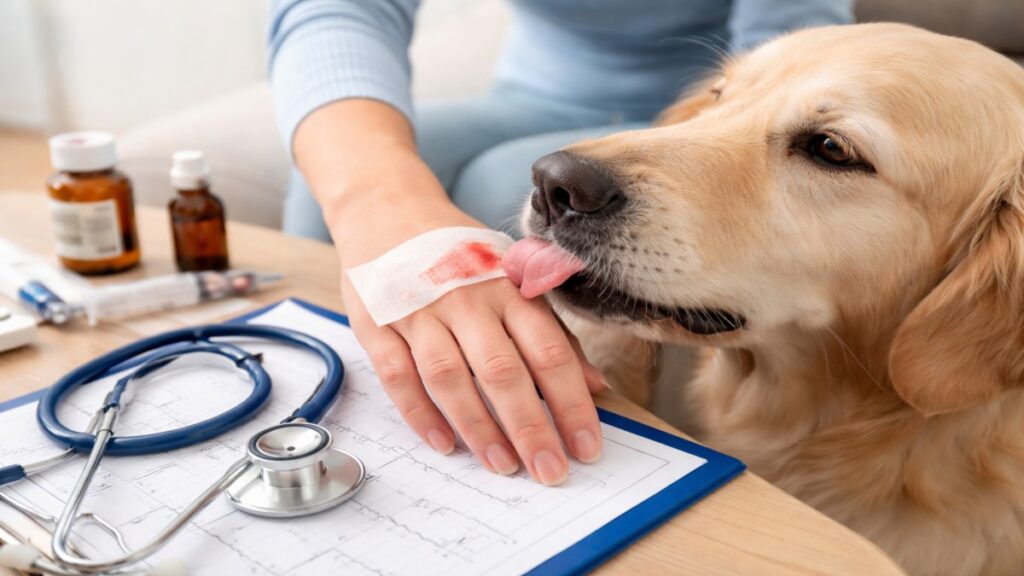
How Capnocytophaga Bacteria in Dog Saliva Can Infect Humans
The bacteria often linked to such infections is Capnocytophaga canimorsus, which naturally lives in the mouths of dogs and cats.
Studies suggest that up to 74% of dogs carry this bacteria in their saliva. For animals, it is harmless. But for humans, especially when it enters the body through cuts, scratches, or open wounds, it can cause serious infections.
While severe cases are rare, the bacteria can trigger:
- Bloodstream infections
- Organ failure
- Septic shock
- Severe tissue damage
People with weak immune systems, diabetes, alcoholism, or spleen disorders are particularly vulnerable.
What Is Sepsis and Why It Becomes Life-Threatening
Sepsis is a dangerous medical condition that happens when the body’s defence system reacts excessively to an infection. Instead of targeting only the invading germs, the immune response begins to harm healthy tissues and vital organs. This uncontrolled reaction can quickly lead to severe complications such as organ failure if not treated immediately.
If untreated, sepsis can rapidly lead to:
- Organ failure
- Blood clotting disorders
- Septic shock
- Death
According to global health experts, sepsis progresses extremely quickly, which is why early recognition and treatment are critical.
Understanding the TIME Rule for Detecting Sepsis Early
Health organisations recommend remembering the TIME rule to identify early signs of sepsis.
Temperature Changes
A high fever or unusually low body temperature can signal infection. A temperature above 100°F (37.7°C) is often considered a warning sign.
Infection Symptoms
Symptoms may include redness, swelling, pus from wounds, cough, urinary pain, or unexplained fatigue.
Mental Decline
Sepsis can affect brain function. Sudden confusion, extreme sleepiness, or difficulty waking up may be early warning signs.
Extremely Ill Feeling
Many sepsis survivors describe feeling the sickest they have ever felt, often accompanied by severe pain or breathlessness.
If these symptoms appear, immediate medical attention is crucial.
Silent Pet Diseases That Can Trigger Dangerous Infections
Experts say human infections often originate from untreated diseases in pets.
Veterinary medicine in India has recorded several cases of pets appearing healthy but dying suddenly due to undetected infections.
One example is a five-year-old cocker spaniel named Koffee, who collapsed and died within hours despite appearing healthy. Post-mortem findings suggested leptospirosis, a bacterial infection common in tropical countries.
Leptospirosis – The Hidden Killer in Dogs
Leptospirosis spreads through contaminated water or soil, particularly in humid environments.
Symptoms in dogs may include:
- Fever
- Vomiting
- Kidney damage
- Liver failure
However, in many cases the disease remains asymptomatic until the final stage.
Veterinary experts say regular “7-in-1” vaccinations are the best protection against such infections.
Health Risks From Pets: Understanding Zoonotic Diseases
Diseases that pass from animals to humans are called zoonotic diseases.
According to research supported by the Indian Council of Medical Research (ICMR), nearly 75% of emerging infectious diseases are zoonotic.
This means pets can sometimes become carriers of pathogens capable of infecting humans.
In countries like India, where pets often share beds, couches, and close physical contact with their owners, maintaining pet health becomes a public health responsibility.
Senior Dogs and Health Conditions That Increase Infection Risk
Older dogs often suffer from health issues that weaken their immune systems.
For example, Labradors are genetically prone to neurological conditions such as epilepsy.
An 11-year-old Labrador named Sheru experienced severe seizures known as grand mal fits, which can sometimes be linked to underlying metabolic or organ disorders.
When dogs age, their ability to fight infections weakens, increasing the chances of secondary bacterial infections.
If a pet has skin wounds or infections, bacteria can easily spread through licking or contact.
Hygiene and Environment: The Hidden Role in Pet Health
Pet health is influenced not only by medical care but also by the environment in which animals grow.
Dogs raised in damp, poorly ventilated environments can develop chronic skin infections.
A Labrador named Loki developed recurring fungal infections because he spent his early months in a humid bathroom environment. This condition, known as malassezia dermatitis, causes itchy, inflamed skin.
Such infections may create entry points for bacteria, increasing the risk of infections spreading through contact with humans.
Pet Health in India and the One Health Approach
India has increasingly adopted the “One Health” approach, which recognises the link between human, animal, and environmental health.
Under this approach:
- Pet vaccinations help prevent human infections
- Monitoring animal diseases helps detect future outbreaks
- Maintaining hygiene reduces zoonotic transmission
Veterinary experts emphasise that a pet’s vaccination record is also a public health document.
Three Essential Steps to Protect Yourself and Your Pet
Experts recommend a few simple but crucial precautions.
Follow Strict Vaccination Schedules
Ensure dogs receive regular 7-in-1 vaccinations and rabies boosters.
Regular Blood Tests for Senior Pets
Pets above 7 years of age should undergo routine blood tests to detect hidden infections early.
Protect Open Wounds From Pet Licks
Avoid allowing pets to lick cuts, scratches, or surgical wounds.
Final Thoughts: Love Your Pet, But Protect Your Health
Pets bring immense joy, companionship, and emotional support to millions of families. But the tragic experience of Manjit Sangha shows how even a simple act of affection like a dog lick can become dangerous under certain circumstances.
With proper vaccination, hygiene, and regular veterinary care, most risks can be prevented.
A healthy pet means a healthy home — and ensuring your pet’s wellbeing is one of the most important steps in protecting your own health.
FAQ Schema
Q1. Can a dog lick really cause sepsis in humans?
Yes, in rare cases a dog lick can cause sepsis if bacteria from the dog’s saliva enter the body through an open wound, cut, or scratch. One of the bacteria linked to such infections is Capnocytophaga canimorsus, which naturally lives in the mouths of many dogs and cats.
Q2. What are the early warning signs of sepsis?
Doctors often use the TIME rule to identify sepsis symptoms early:
- T – Temperature: very high or very low body temperature
- I – Infection: signs of infection such as redness, swelling, or pain
- M – Mental decline: confusion or extreme drowsiness
- E – Extremely ill: severe discomfort, breathlessness, or intense pain
Q3. Is it dangerous if a dog licks a cut or wound?
Yes, it can be risky. Dog saliva contains bacteria that may enter the bloodstream through open wounds. While infections are uncommon, people with weak immune systems, diabetes, or existing health conditions should avoid letting pets lick wounds.
Q4. Why are pet vaccinations important for human health?
Vaccinations protect pets from diseases like leptospirosis and rabies that can spread to humans. Keeping pets vaccinated and regularly checked by veterinarians helps reduce the risk of zoonotic infections in households.
Q5. How can pet owners prevent infections from their pets?
Pet owners can reduce infection risk by maintaining proper hygiene, ensuring regular pet vaccinations, scheduling routine veterinary check-ups, and avoiding direct contact between pets and open cuts or wounds.
Disclaimer:
This article is for informational and awareness purposes only and should not be considered medical or veterinary advice. Always consult a qualified healthcare professional or licensed veterinarian for diagnosis, treatment, or guidance regarding infections, sepsis symptoms, or your pet’s health. The information is based on publicly available reports and expert opinions.