
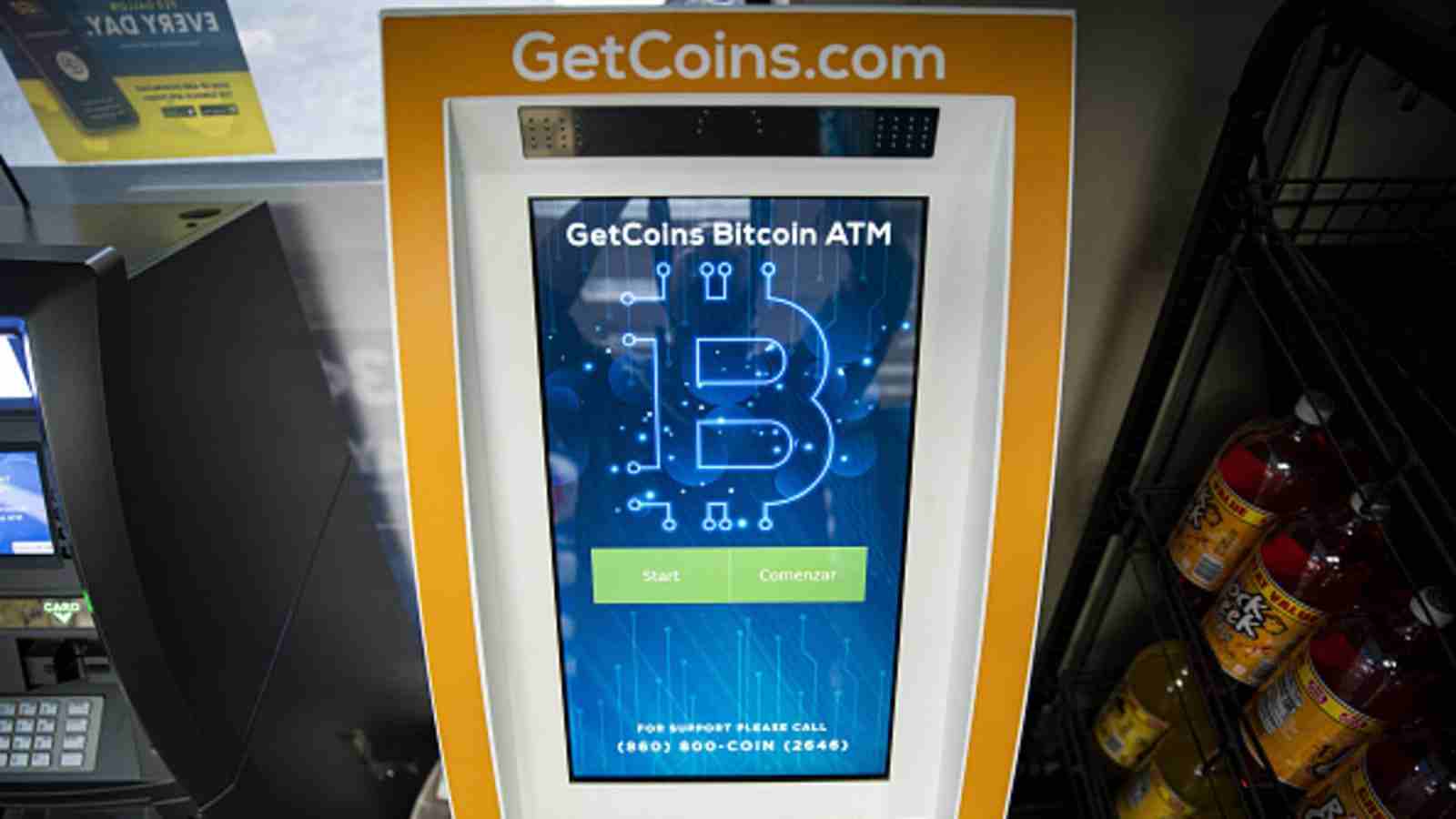
Minnesota lawmakers are taking decisive action against cryptocurrency kiosks following a surge in fraud cases that have disproportionately affected senior citizens. A newly introduced bill seeks to eliminate crypto ATMs statewide, sparking debate between regulators and digital currency companies.
Proposed Ban Targets Growing Scam Trend
House File 3642 (HF3642), introduced by Representative Erin Koegel, proposes a statewide ban on virtual currency kiosks — commonly referred to as crypto ATMs. These machines allow users to purchase cryptocurrency using cash or debit cards. Lawmakers argue that the devices have become a convenient tool for scammers to exploit vulnerable residents.
Image Credit: Brandon Bell / Getty Images
The push for legislation comes after authorities recorded approximately 70 fraud complaints in 2025 alone, with reported financial losses exceeding $540,000. Officials believe these numbers represent only a fraction of the actual impact, as many victims never formally report such incidents.
A Disturbing Incident Sparks Action
The bill gained urgency after a troubling case involving an elderly woman at a gas station cryptocurrency kiosk. Police were called when staff noticed her appearing distressed and confused while making transactions. Investigators later discovered she had been transferring nearly half of her monthly income to scammers, leaving her financially devastated and at risk of homelessness.
Law enforcement officials say this case highlights a broader pattern. Fraudsters frequently target older adults, using fabricated identities, emotional manipulation, and urgent requests to pressure victims into converting their savings into cryptocurrency.
Why Crypto ATMs Are Attractive to Scammers
Cryptocurrency transactions can be difficult to trace once completed, especially when converted into digital assets and moved across wallets. Authorities argue that this feature makes crypto ATMs particularly appealing to criminals. Unlike traditional banking transfers, cryptocurrency payments often lack recovery mechanisms once funds are sent.
Scammers typically instruct victims to withdraw cash and deposit it directly into crypto kiosks, claiming it is for “safe keeping,” emergency assistance, or to resolve fabricated legal or tax issues.
Industry Pushback
Digital currency companies, however, strongly oppose the proposed ban. Representatives from CoinFlip, one of the largest crypto ATM operators in the country, argue that eliminating kiosks punishes legitimate users.
Larry Lipka, in-house counsel at CoinFlip, acknowledges the existence of fraud but maintains that safeguards are already in place. According to the company, safety measures such as transaction limits and holding periods are designed to reduce risk. Lipka points to company data indicating that less than 1% of approximately 12,000 transactions conducted in Minnesota last year were refunded.
Industry leaders argue that instead of a blanket ban, improved consumer education and stricter enforcement against scammers would be more effective solutions.
Commerce Department Cites Refund Gaps
The Minnesota Department of Commerce disagrees with the industry’s assessment. Officials note that only 48% of consumer complaints resulted in any refund, and even then, the recovered funds averaged just 16% of the total amount lost.
Regulators argue that these figures demonstrate that existing protections are insufficient. They contend that prevention — rather than partial reimbursement — should be the priority.
What’s at Stake
Currently, around 350 licensed cryptocurrency kiosks operate throughout Minnesota. If the bill becomes law, it could set a regulatory precedent that influences other states grappling with similar fraud concerns.
The debate reflects a broader national conversation about balancing innovation with consumer protection. While cryptocurrency offers financial flexibility and decentralized access, policymakers are increasingly focused on closing gaps that allow bad actors to exploit vulnerable populations.
As the bill moves through legislative review, Minnesota faces a pivotal decision: whether to restrict a growing financial technology in the name of public safety, or to pursue alternative safeguards that preserve access while combating fraud.








Nice 👍